
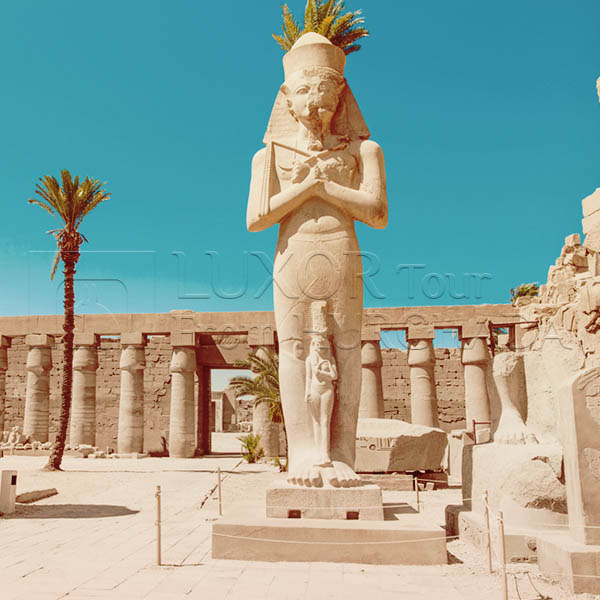
While Luxor is famed for its grand monuments like Karnak and the Valley of the Kings, it also boasts several lesser-known temples that offer a more intimate and equally captivating glimpse into ancient Egyptian history. Here, we explore some of these hidden gems that are well worth a visit.
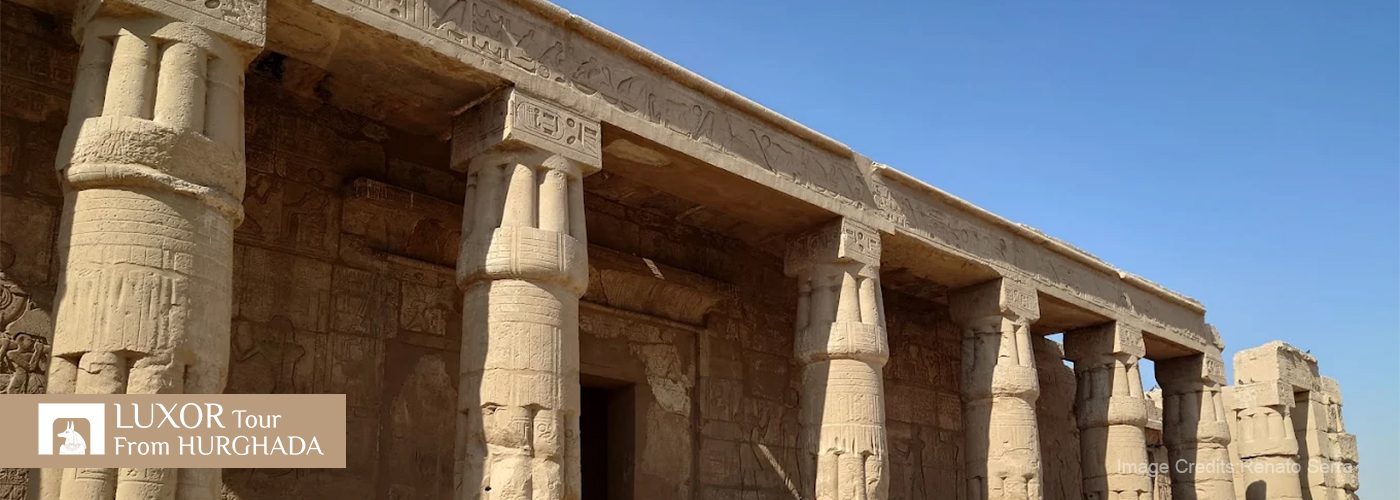
1. Temple of Seti I
Nestled in the quiet village of Qurna, the Temple of Seti I is often overshadowed by its more famous neighbors. However, it is a site of remarkable beauty and historical significance.
- Historical Significance: Built by Seti I, the temple was dedicated to the god Amun and Seti’s father, Ramses I.
- Architectural Beauty: The temple features intricately carved reliefs and well-preserved hieroglyphs.
- Key Features: Notable for its seven chapels, each dedicated to different deities, and the sanctuary of Amun, adorned with detailed scenes from the king’s reign.
2. Temple of Khonsu
Located within the Karnak complex, the Temple of Khonsu is dedicated to the moon god and is often overlooked by visitors.
- Architectural Details: The temple is a fine example of late New Kingdom architecture, with well-preserved columns and a hypostyle hall.
- Artistic Features: The reliefs and carvings depict various religious rituals and the divine birth of Khonsu.
- Historical Insight: The temple provides a unique glimpse into the religious practices and beliefs surrounding the moon god.
3. Temple of Mut
Also part of the Karnak complex, the Temple of Mut is dedicated to the mother goddess Mut, wife of Amun.
- Historical Background: The temple dates back to the 18th Dynasty and was expanded by several pharaohs, including Ramses II.
- Key Attractions: The sacred lake within the temple grounds and the impressive statues of Sekhmet, the lion-headed goddess, are major highlights.
- Tranquil Atmosphere: The temple’s less crowded environment allows for a peaceful exploration of its ruins.
4. Temple of Amenhotep III
Situated on the West Bank, the mortuary temple of Amenhotep III, known as Kom el-Hetan, is a vast and historically rich site.
- Historical Importance: Once one of the largest temples in Egypt, it was constructed by Amenhotep III during the 18th Dynasty.
- Architectural Remains: While much of the temple is in ruins, significant features like the Colossi of Memnon and remnants of the temple’s massive pylons can still be seen.
- Ongoing Excavations: Archaeological work continues at the site, uncovering new artifacts and insights into its original grandeur.
5. Temple of Esna
Located south of Luxor, the Temple of Esna is dedicated to the god Khnum and is a beautifully preserved example of Greco-Roman architecture.
- Architectural Highlights: The temple’s hypostyle hall, with its 24 columns adorned with intricate carvings and hieroglyphs, is particularly impressive.
- Historical Context: The temple dates back to the Ptolemaic and Roman periods, providing a unique blend of Egyptian and Greco-Roman artistic styles.
- Cultural Significance: The temple was a major religious center during its time and offers valuable insights into the syncretism of Egyptian and Greco-Roman religious practices.
6. Temple of Medamud
Situated northeast of Luxor, the Temple of Medamud is dedicated to the god Montu, the falcon-headed god of war.
- Historical Overview: The temple’s origins date back to the Middle Kingdom, with significant additions during the New Kingdom and the Ptolemaic period.
- Architectural Features: Notable for its massive gateways and the remains of a sacred lake.
- Cultural Insights: The temple played a significant role in the worship of Montu and offers a unique perspective on the martial aspects of Egyptian religion.
Tips for Visiting Lesser-Known Temples
- Plan Ahead: Some of these temples are off the beaten path, so it’s essential to plan your route and transportation in advance.
- Hire a Guide: A knowledgeable guide can provide valuable context and enrich your understanding of these sites.
- Allow Time for Exploration: These temples may not have the crowds of more famous sites, allowing you to explore at a leisurely pace.
- Respect the Sites: As with all archaeological sites, it’s important to respect the ruins and adhere to guidelines to help preserve them for future generations.
Luxor’s lesser-known temples offer a wealth of history and beauty, often away from the bustling crowds. Exploring these hidden gems provides a deeper understanding of ancient Egyptian culture and a more personal connection to the past. Whether it’s the intricate carvings of the Temple of Seti I or the tranquil grounds of the Temple of Mut, these sites are sure to leave a lasting impression on any visitor.
Discover More Tours
- Trip to Abu simbel and Aswan from Hurghada 2 Days
- Dendera and Abydos from Hurghada
- Overnight Tour from Luxor to Abu Simbel
- 5 Must-See Attractions in Luxor
 Luxor, often referred to as the “world’s greatest open-air museum,” is a treasure trove of ancient Egyptian history… Read more: 5 Must-See Attractions in Luxor
 - Luxor Tours from Hurghada: Your Complete GuideIf you’re visiting Egypt, a trip to Luxor is an absolute must. Known as the world’s greatest open-air… Read more: Luxor Tours from Hurghada: Your Complete Guide
- Unforgettable Luxor Tours and Excursions from HurghadaIf you’re based in Hurghada and seeking an enriching escape into the heart of ancient Egypt, Luxor is… Read more: Unforgettable Luxor Tours and Excursions from Hurghada
- Essential Tours and Excursions from HurghadaLuxor, often hailed as the world’s largest open-air museum, is a treasure trove of ancient Egyptian history and… Read more: Essential Tours and Excursions from Hurghada
- Unveiling Luxor: Top Tours and Excursions from HurghadaLuxor, often referred to as the world’s greatest open-air museum, is a destination rich in history and cultural… Read more: Unveiling Luxor: Top Tours and Excursions from Hurghada