
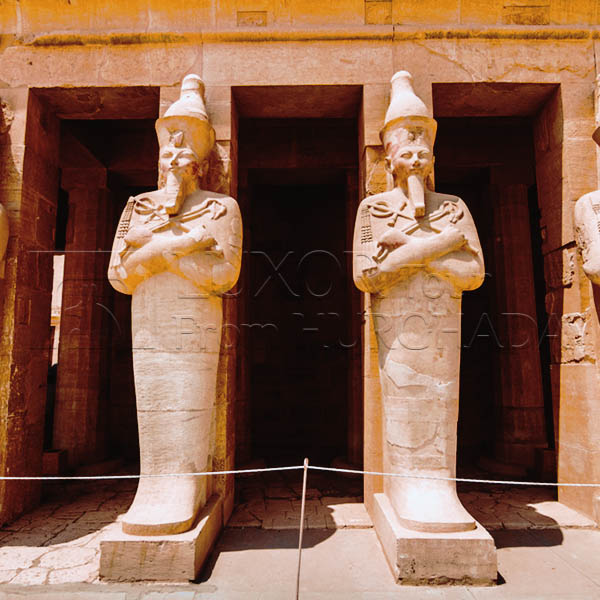
Luxor, often referred to as the world’s greatest open-air museum, is home to some of the most significant and awe-inspiring temples in ancient Egyptian history. These monumental structures not only reflect the grandeur of ancient Egyptian civilization but also hold stories that have shaped history. In this post, we’ll delve into the fascinating history behind Luxor’s most famous temples.
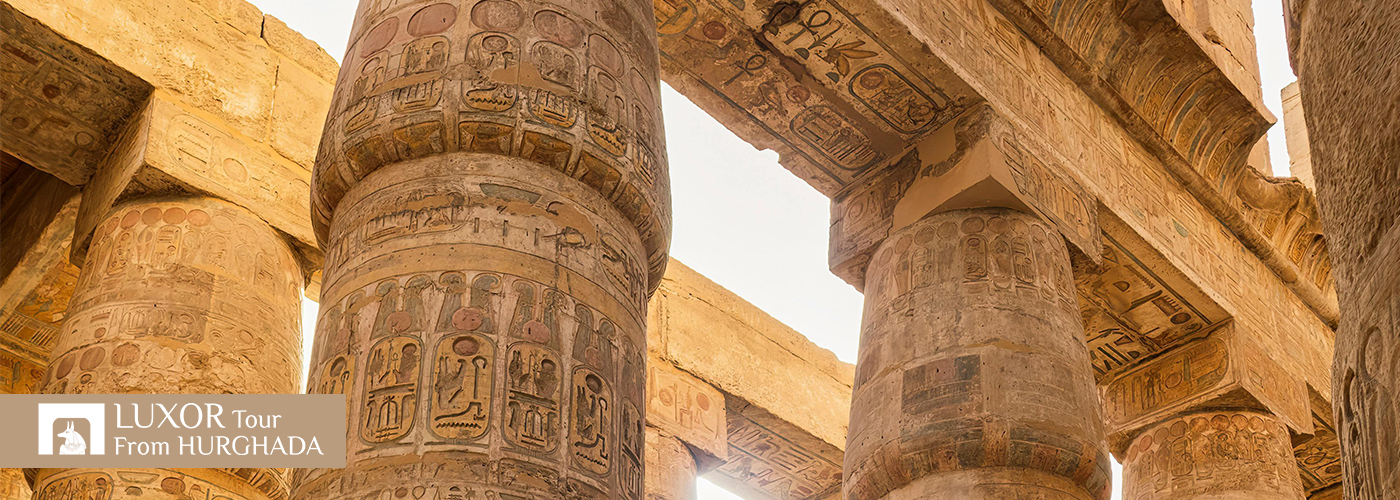
1. Karnak Temple: The Largest Religious Complex in Ancient Egypt
Historical Overview:
Karnak Temple is the largest and one of the most impressive temple complexes in Egypt. Built over a period of 2,000 years, it served as the main place of worship for the Theban triad of gods: Amun, Mut, and Khonsu. The construction began during the Middle Kingdom, around 2055 BC, and continued into the Ptolemaic period.
Significance:
The sheer size of Karnak is a testament to the importance of Amun-Ra in ancient Egyptian religion. The temple complex includes a vast array of chapels, pylons, and obelisks, with the Great Hypostyle Hall being one of its most iconic features. The hall contains 134 massive columns, each intricately carved with hieroglyphs and reliefs that depict the power and divinity of the gods.
2. Luxor Temple: A Sanctuary for the Divine Kingship
Historical Overview:
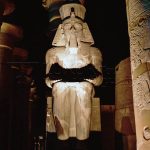
Located on the east bank of the Nile, Luxor Temple was built around 1400 BC during the reign of Amenhotep III and later expanded by Ramses II. Unlike other temples in Luxor, which were dedicated to deities, Luxor Temple was dedicated to the rejuvenation of kingship and the divine right of pharaohs.
Significance:
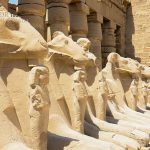
Luxor Temple played a central role in the Opet Festival, an annual event that celebrated the bond between the pharaoh and the god Amun. The temple’s grand avenue of sphinxes, which originally connected it to Karnak Temple, highlights the significance of this religious procession. The temple’s architecture, including its towering colonnade and detailed reliefs, showcases the artistic and religious achievements of the New Kingdom.
3. The Temple of Hatshepsut: A Monument to Egypt’s Most Powerful Female Pharaoh
Historical Overview:
The Temple of Hatshepsut, also known as Djeser-Djeseru, is a mortuary temple located at Deir el-Bahari on the west bank of the Nile. It was commissioned by Queen Hatshepsut, one of Egypt’s few female pharaohs, and was designed by her architect, Senenmut, around 1479 BC.
Significance:
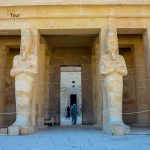
This temple is a masterpiece of ancient architecture, built into the cliffs of Deir el-Bahari. Its terraces, colonnades, and statues honor Hatshepsut’s reign and her divine birth as the daughter of the god Amun. The temple also includes chapels dedicated to Anubis and Hathor, highlighting Hatshepsut’s devotion to the gods and her attempt to legitimize her rule.
4. The Temple of Medinet Habu: The Mortuary Temple of Ramses III
Historical Overview:
Medinet Habu is a massive mortuary temple complex on the west bank of Luxor, built by Ramses III, one of Egypt’s last great pharaohs. Constructed in the 12th century BC, the temple is best known for its detailed depictions of Ramses III’s military victories, particularly his battles against the Sea Peoples.
Significance:
The Temple of Medinet Habu is not only significant for its historical reliefs but also for its role as the administrative center for the Theban region during the reign of Ramses III. The well-preserved reliefs offer a vivid account of Egypt’s military prowess and the pharaoh’s divine protection by the gods.
5. The Ramesseum: The Memorial Temple of Ramses II
Historical Overview:
The Ramesseum is the mortuary temple of Ramses II, located on the west bank of the Nile. Built in the 13th century BC, it was intended as a lasting memorial to Ramses II’s achievements and his reign as one of Egypt’s most powerful pharaohs.
Significance:
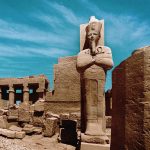
The temple was once adorned with a colossal statue of Ramses II, which is now mostly in ruins but remains a symbol of his legacy. The Ramesseum’s walls are covered with inscriptions and reliefs that celebrate Ramses II’s victories, particularly the Battle of Kadesh. The temple also housed a vast library and scriptoria, making it a center of learning and culture in ancient Egypt.
Luxor’s temples are not just architectural marvels; they are historical records that tell the stories of ancient Egypt’s greatest rulers and their devotion to the gods. Each temple offers a unique glimpse into the religious, cultural, and political life of ancient Egypt, making Luxor a must-visit destination for history enthusiasts.
Explore the rich history of Luxor’s temples on your next visit. Book a tour today and walk through the halls of these ancient wonders!
Discover More Tours
Overnight Tour from Luxor to Abu Simbel
Luxor two days trip from Hurghada
Dendera and Abydos from Hurghada
- 5 Must-See Attractions in Luxor
 Luxor, often referred to as the “world’s greatest open-air museum,” is a treasure trove of ancient Egyptian history… Read more: 5 Must-See Attractions in Luxor
 - Luxor Tours from Hurghada: Your Complete GuideIf you’re visiting Egypt, a trip to Luxor is an absolute must. Known as the world’s greatest open-air… Read more: Luxor Tours from Hurghada: Your Complete Guide
- Unforgettable Luxor Tours and Excursions from HurghadaIf you’re based in Hurghada and seeking an enriching escape into the heart of ancient Egypt, Luxor is… Read more: Unforgettable Luxor Tours and Excursions from Hurghada
- Essential Tours and Excursions from HurghadaLuxor, often hailed as the world’s largest open-air museum, is a treasure trove of ancient Egyptian history and… Read more: Essential Tours and Excursions from Hurghada
- Unveiling Luxor: Top Tours and Excursions from HurghadaLuxor, often referred to as the world’s greatest open-air museum, is a destination rich in history and cultural… Read more: Unveiling Luxor: Top Tours and Excursions from Hurghada