
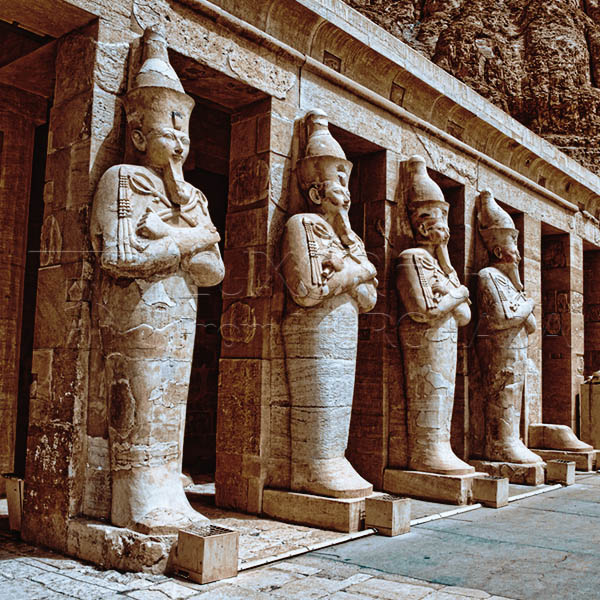
When planning a tour from Hurghada to Luxor, most travelers focus on the iconic sites like the Valley of the Kings and Karnak Temple. However, Luxor is full of lesser-known treasures that offer unique experiences and a deeper dive into Egypt’s ancient history. This ultimate guide will take you off the beaten path to discover Luxor’s hidden gems.
1. The Ramesseum
Overview
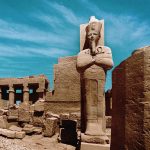
Often overshadowed by more famous sites, the Ramesseum is the mortuary temple of Ramses II. It boasts impressive statues and colossal ruins that provide a glimpse into the grandeur of ancient Egyptian architecture.
Why Visit?
This temple is renowned for its massive statues of Ramses II and stunning wall reliefs. It’s a quieter alternative to more crowded sites, offering a more serene exploration.
2. Tomb of Seti I
Overview
The Tomb of Seti I, located in the Valley of the Kings, is famous for its beautifully preserved and intricately detailed paintings and carvings.
Why Visit?
As one of the longest and most elaborate tombs in the Valley, it provides a vivid depiction of ancient Egyptian beliefs and afterlife rituals. The tomb’s extensive artwork is a highlight for history enthusiasts.
3. Medinet Habu
Overview
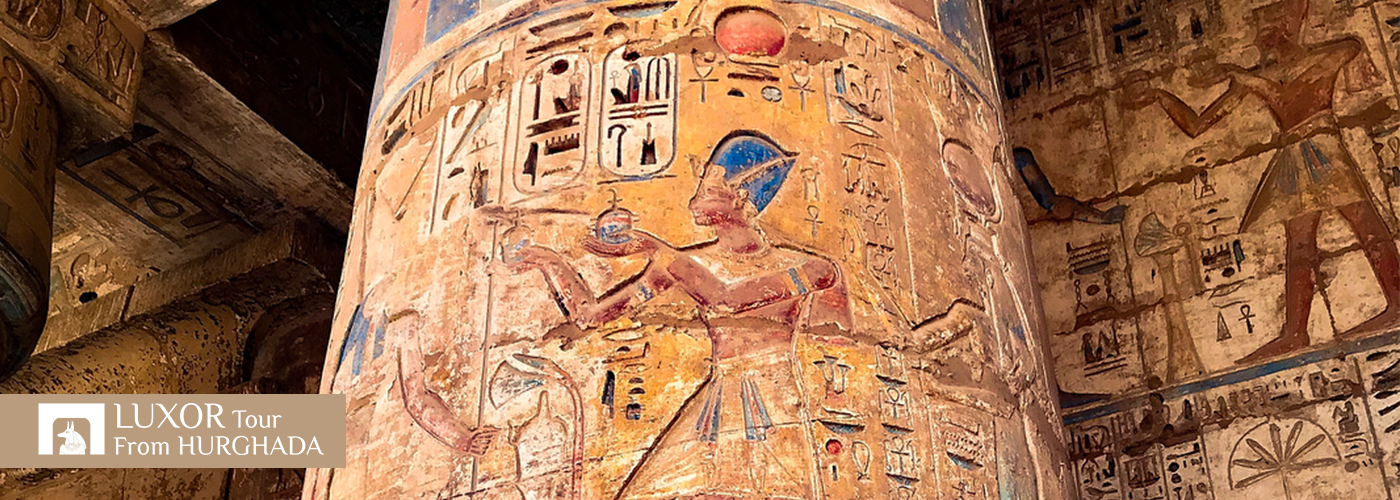
Medinet Habu is a lesser-visited temple complex known for its impressive reliefs and detailed inscriptions. It was built by Ramses III and is located on the West Bank of Luxor.
Why Visit?
The temple’s well-preserved decorations depict various historical events and provide insights into Ramses III’s reign. It’s a fantastic spot for those interested in ancient Egyptian art and history.
4. The Colossi of Memnon
Overview
These two massive statues of Amenhotep III are located on the West Bank and stand as guardians to the site of his mortuary temple.
Why Visit?
Although they are less elaborate than some other sites, the sheer scale and historical significance of the Colossi make them an intriguing stop. They also offer great photo opportunities against the backdrop of the desert.
5. The Temple of Mut
Overview
Part of the Karnak Temple complex, the Temple of Mut is dedicated to the goddess Mut. It’s less frequented than the main Karnak Temple but offers fascinating insights into Egyptian religious practices.
Why Visit?
The Temple of Mut provides a quieter experience and a chance to explore less crowded areas of the Karnak complex. Its unique architectural style and historical importance make it worth a visit.
6. The Tomb of Ay
Overview
Located in the Valley of the Kings, the Tomb of Ay is the final resting place of the pharaoh who succeeded Tutankhamun. It’s known for its well-preserved artwork.
Why Visit?
The tomb features detailed scenes of Ay’s journey to the afterlife and provides valuable context about the transition of power in ancient Egypt.
7. Luxor Museum
Overview
While not a hidden gem in the traditional sense, the Luxor Museum often gets overshadowed by larger sites. It houses a remarkable collection of artifacts from the Luxor area.
Why Visit?
The museum offers an excellent overview of ancient Egyptian history and artifacts, including statues, jewelry, and mummies. It’s a great way to gain context before or after visiting the nearby temples and tombs.
Exploring these hidden gems will enrich your Luxor experience and provide a deeper understanding of ancient Egypt. By venturing beyond the main attractions, you’ll uncover the unique stories and lesser-known wonders that make Luxor a truly fascinating destination.
Book Your Luxor Adventure
Ready to discover Luxor’s hidden gems? Book your tour from Hurghada today and experience the rich tapestry of ancient Egyptian history.
Discover More Tours
- Overnight Tour from Luxor to Abu Simbel
- Trip to Abu simbel and Aswan from Hurghada 2 Days
- Dendera and Abydos from Hurghada
- 5 Must-See Attractions in Luxor
 Luxor, often referred to as the “world’s greatest open-air museum,” is a treasure trove of ancient Egyptian history… Read more: 5 Must-See Attractions in Luxor
 - Luxor Tours from Hurghada: Your Complete GuideIf you’re visiting Egypt, a trip to Luxor is an absolute must. Known as the world’s greatest open-air… Read more: Luxor Tours from Hurghada: Your Complete Guide
- Unforgettable Luxor Tours and Excursions from HurghadaIf you’re based in Hurghada and seeking an enriching escape into the heart of ancient Egypt, Luxor is… Read more: Unforgettable Luxor Tours and Excursions from Hurghada
- Essential Tours and Excursions from HurghadaLuxor, often hailed as the world’s largest open-air museum, is a treasure trove of ancient Egyptian history and… Read more: Essential Tours and Excursions from Hurghada
- Unveiling Luxor: Top Tours and Excursions from HurghadaLuxor, often referred to as the world’s greatest open-air museum, is a destination rich in history and cultural… Read more: Unveiling Luxor: Top Tours and Excursions from Hurghada